
As young drivers remain statistically overrepresented in serious road traffic collisions, Northern Ireland is set to introduce graduated driving licences (GDL) later this year.
Starting in October 2026, the GDL scheme looks to mirror similar proven road safety measures already present in countries like USA, New Zealand, Sweden, and the Republic of Ireland.
Aiming to target 17-23-year-olds specifically, the move will bring major changes to the way all
learner drivers are trained.
What are the new graduated driving licence rules?
The headline reforms include a mandatory minimum learner period before practical testing, a longer post-test restriction period for new drivers, and a limit to the number of passengers new drivers can carry.
See the table below for a detailed list of GDL restrictions and revisions.
| Restriction: | Explanation: |
|---|---|
|
|
|
|
|
|
|
|
How will the GDL rules be enforced?
Enforcement will come through the police primarily, but clear guidance from the Department for Infrastructure and instructors will help. From day to day, parents and guardians are likely to be the ones keeping an eye on the new rules.
Why have the rules changed?
In 2024,
drivers aged 17–23 were responsible for 164 crashes that left people killed or seriously injured — even though they only hold 8% of licences, they account for 24% of serious collisions. Motorcyclists in the same age group caused 12 serious casualties that year.
Graduated Driver Licensing (GDL) aims to change that, giving new drivers the chance to build skills and experience step by step, in safer conditions.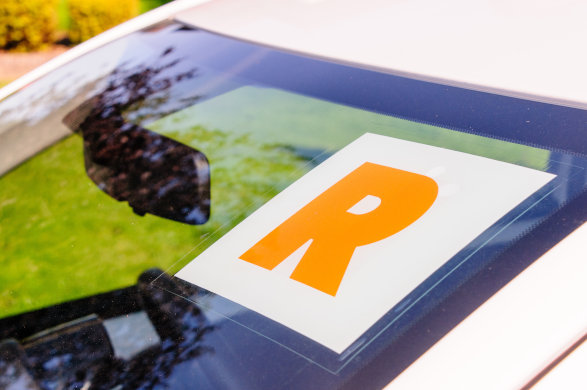
How do we know graduated driver licensing is effective?
According to the Transport Research Laboratory (TRL), GDL systems reduce collisions and deaths among young drivers by 19–21%. Road safety has improved significantly in countries like Australia, Canada, Norway, Sweden, Finland, and parts of the US where GDL has been adopted.
What else has changed?
Interestingly, some rules are loosening. The long debated 45 mph cap for new drivers is being removed, a move many young drivers are happy about.debated 45
Learner drivers will now also be able to take to motorways when accompanied by an approved instructor, and once you’ve passed your test, you’ll be able to drive at the normal speed limit.
However, breaking the new rules could land you three penalty points or a fine of up to £1,000.
Ahead of the October launch, the Department for Infrastructure will roll out a public information campaign to provide advice for learners, their parents, and driving instructors.
Northern Ireland’s new Graduated Driving Licence (GDL) scheme marks a major shift in how young drivers are trained and restricted, with the aim of reducing serious collisions and improving long-term road safety. But what do you think? Should the rest of the UK follow suit and introduce more new driver restrictions?
Graduated Driving Licensing: Frequently Asked Questions
Which countries have graduated driving licence?
Graduated Driver Licensing (GDL) systems are in place in many countries around the world, including the US, Canada, Australia, New Zealand, and several European nations such as Sweden, Ireland, France, Germany, Norway, and Finland.
These programs vary in the rules they impose on new drivers — from nighttime curfews and passenger limits to strict alcohol restrictions — all aimed at making roads safer.