

A slow puncture can be frustrating and, if left untreated, potentially dangerous.
Unlike a sudden puncture, which causes a tyre to deflate rapidly, a slow puncture allows air to gradually escape – often going unnoticed for days or even weeks.
In this guide, we’ll explain how to identify a slow puncture, the steps you can take to fix it, and why prompt action is essential to maintaining your vehicle's safety.
What is a Slow Puncture?
A slow puncture is a minor leak in your tyre that causes a gradual loss of air pressure.
While it may seem less urgent than a sudden puncture, it can still compromise your vehicle's handling, braking, and fuel efficiency.
There are several common causes of a slow puncture.
Sharp objects like nails or screws lodged in the tread are a frequent culprit, allowing air to seep out gradually.
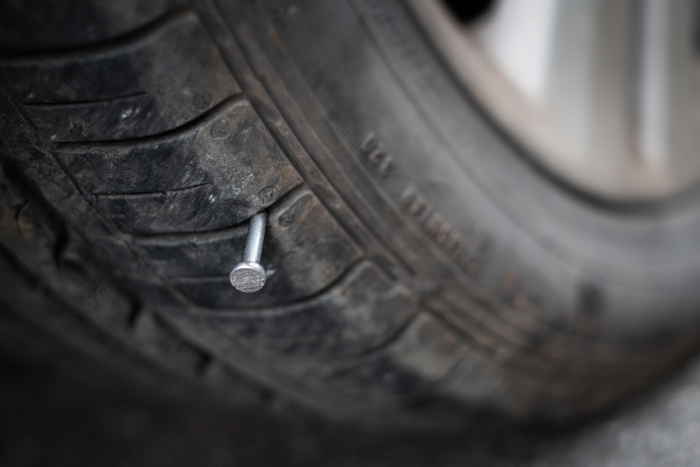
A faulty tyre valve may also develop small cracks or become loose over time, resulting in air loss.
Damaged wheel rims, often caused by kerb impacts or corrosion, can also create an incomplete seal between the tyre and wheel, which leads to a slow leak.
Regardless of the cause, slow punctures require prompt attention to prevent further damage.