
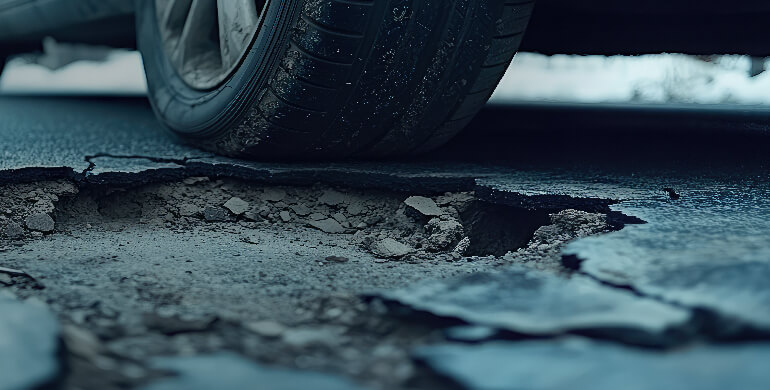
Run flat tyres or standard tyres? It's a question many motorists ask themselves.
Both offer distinct advantages and disadvantages, making the choice less than straightforward.
This comprehensive guide will break down the key differences between these two tyre types, examining factors like cost, performance, safety, and maintenance.
By the end, you'll have a clear understanding of which option best suits your driving style and priorities.
What Are Run Flat Tyres?
Run flat tyres are designed to allow a vehicle to continue driving for a limited distance even after a complete loss of air pressure.
Unlike conventional tyres, which become unusable and dangerous when punctured, run flat tyres have reinforced sidewalls that prevent the tyre from collapsing completely onto the rim.
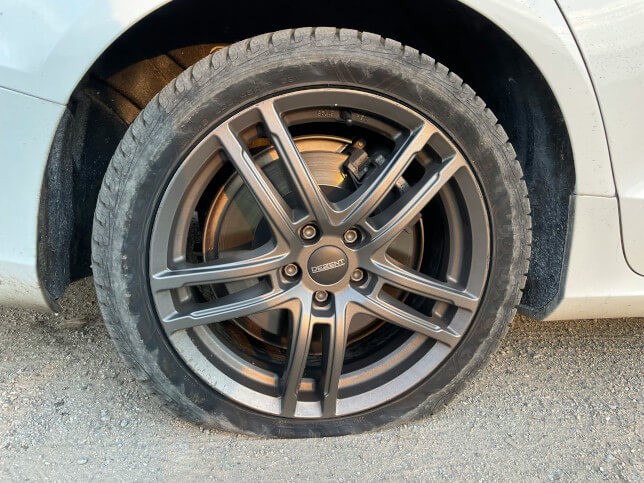
This allows the driver to maintain some control and drive to a safe location for repair or replacement.
There are two main types of run flat tyres:
- Self-supporting run flat tyres: These tyres have reinforced sidewalls that are strong enough to support the vehicle's weight even without air pressure. They are generally heavier and stiffer than conventional tyres.
- Run flat tyres with support rings: These tyres utilise a support ring inside the tyre to maintain the tyre's shape and support the vehicle's weight after a puncture. The support ring provides additional structural integrity.
Regardless of the type, run flat tyres generally have a limited range after a puncture (typically 30-50 miles at reduced speeds).
Driving on a flat run flat tyre for extended distances or at high speeds can damage the tyre and possibly the wheel, so it's crucial to proceed cautiously and get the tyre repaired or replaced as soon as possible.
Buy run flat tyres