
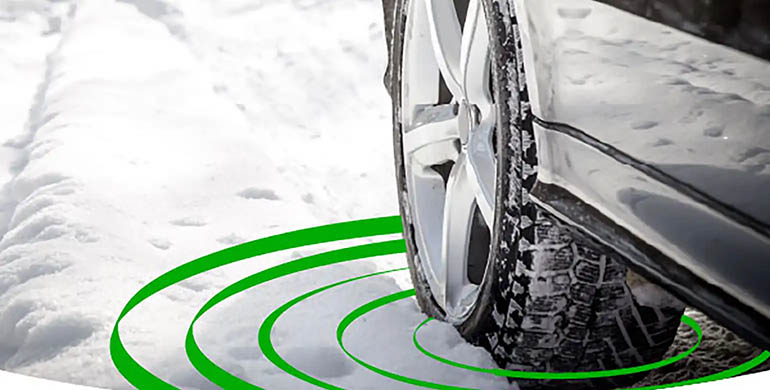
As the temperature gets colder, driving becomes increasingly difficult and less safe than in warmer weather. This means it’s a more important time than ever to ensure your car is as safe as can be.
As well as the usual winter preparation such as ensuring your screen wash is topped up and your lights are working, it is important to keep an eye on your car tyre pressures.
If you don’t use all-season tyres, it is always recommended to switch to winter tyres as the temperature drops. Summer tyres begin to lose grip as the rubber hardens at temperatures below 7°C, whereas winter or all-season tyres remain supple and grip better.
Recent statistics show that tyre-related accidents are becoming more prevalent, with 190 killed or seriously injured (KSI) cases in 2023—a 29% increase from 2022.
This rise marks the highest number of tyre-related casualties since 2018 and highlights the ongoing challenges in maintaining tyre safety standards
Check Tyre Pressure in Cold Weather
Regardless of what kind of tyre you opt for, as the temperature is changing be sure to check your tyre pressures. Changes in air temperature cause the air inside the tyre to condense – taking up less space in the tyre.
For every 10 degrees change in temperature, tyre pressure is affected by around 1PSI. This may not sound like much, however many of us who don’t check our tyre pressure regularly may not have checked theirs since summer when the temperature was much warmer. We recommend checking your tyre pressures on a monthly basis, at least.
Low tyre pressure during colder months can contribute to increased braking distances and reduced traction, making driving riskier. Studies indicate that tyre defects are more likely to occur during winter months due to these temperature changes, which underscores the importance of regularly checking tyre pressure and condition
If your vehicle has TPMS you may have had the vehicle warn you of decreased tyre pressure. Though once the tyre warms up after driving, the TPMS warning may disappear. Again, this is due to the tyre generating heat, warming and expanding the air inside. However, tyre pressures are best checked when the tyres have cooled.