

Having the correct type of oil in your engine is particularly important for the maintenance of your car.
Whilst electric vehicles do not need oil for the car to run smoothly, all diesel/petrol cars need lubricant for their engine.
Put simply, engine oil helps your car engine run smoothly and efficiently, meaning oil for your engine is a crucial component for smoother driving.
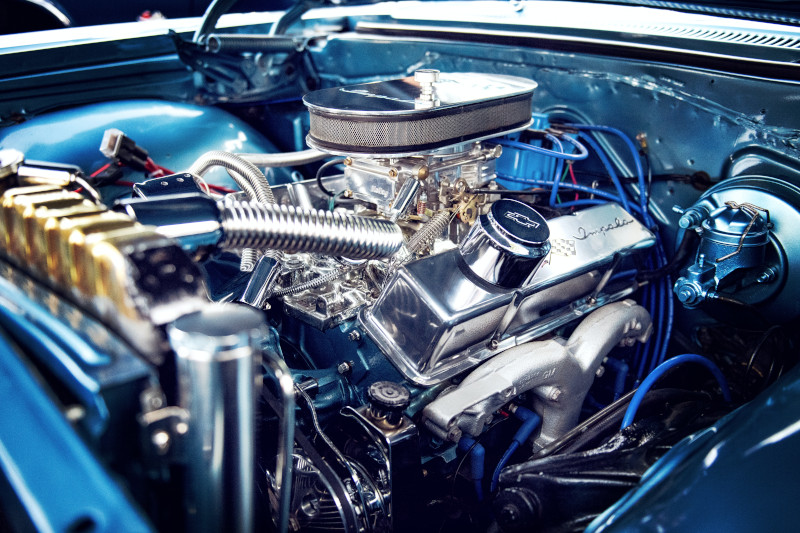
What oil you need and how much for your engine varies between different engine types – a four-cylinder engine will take around 3.5 - 4.5 litres of oil, six-cylinder requires around 4.5 - 5.5 litres, and an eight-cylinder engine will need 5.5 - 7.5 litres of engine oil.
There are numerous types of oils available on the market, making the process of choosing the right oil for your specific car engine overwhelming.
When searching for engine oil for your
vehicle, it is also crucial you understand the details behind engine oils and what type of oil your car will need – the small and valuable information on oil for your engine will be covered here today.
Understanding Viscosity
Viscosity is the measurement of a specific liquid’s flow resistance under different temperatures.
So, if a liquid in general has low viscosity, it will have a thinner flow, i.e., water, milk, juice. On the other hand, if a liquid has high viscosity, it will have a thicker texture, like syrup or honey.
To put the measure of a viscosity in more simpler terms – the lower viscosity a liquid has the faster it will flow, with higher viscosity having a slower flow.
Viscosity refers to the flow of all different types of liquids, but how does this relate to engine oils?