
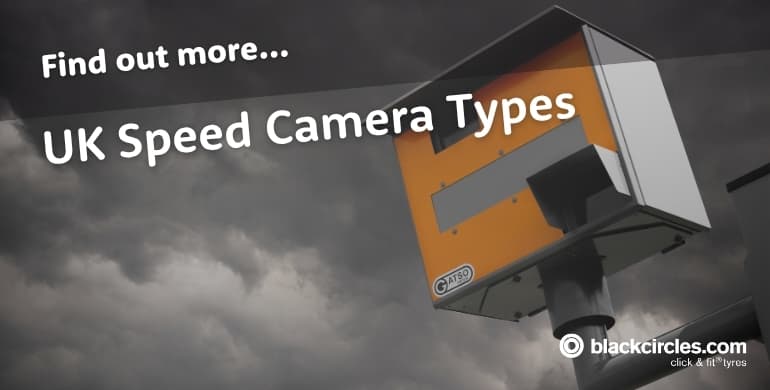
If you've ever driven past a flash of white light and spent the next mile wondering what just happened, you're not alone. Rather than a single speed camera device, the UK has an entire family of enforcement technology designed to make our roads safer.
From radar boxes that have barely changed since the early 1990s to newer AI-assisted systems that can flag speeding, mobile phone use and seatbelt offences in the same pass, the police employ a plethora of different camera types in Britain.
Officially, they’re actually called safety cameras rather than speed cameras, and there are somewhere between 15 and 18 distinct variants in regular use across England, Scotland and Wales, depending on how narrowly you define each variant. Some flash, some don't. Some photograph your number plate, others photograph your face. This guide breaks down each one, how it measures your speed, and what to expect if you drive past one too quickly.
If you're more interested in what happens after a camera catches you,
our guide to UK speeding fines covers the penalty bands, points and court process in full.
At a glance, the main speed camera types UK drivers encounter are:
1. Gatso camera
2. Truvelo camera
3. Truvelo D-Cam
4. SpeedCurb
5. Watchman
6. DS2
7. SPECS
8. VECTOR
9. Temporary average speed cameras (roadworks)
10. HADECS3 (smart motorway)
11. Mobile speed camera vans
12. Handheld and tripod LIDAR
13. Community Speed Watch devices
14. Red light cameras (RLC)
15. Combined red light and speed cameras
16. AI-assisted multi-offence cameras
17. ANPR-linked enforcement cameras
Keep scrolling to find out how each one works.
How many speed cameras are there in the UK?
There's no single official register, but independent research gives a reasonable picture. The RAC Foundation, an independent road safety research charity, has tracked fixed and average speed camera provision across Great Britain for over a decade, and industry estimates put the number of fixed roadside cameras at around 7,000, on top of an expanding network of average speed camera zones covering more than 250 miles of road.
That figure doesn't include mobile camera vans, handheld laser devices, or the growing number of temporary average speed systems used through roadworks — so the true number of individual enforcement points in operation on any given day is considerably higher.